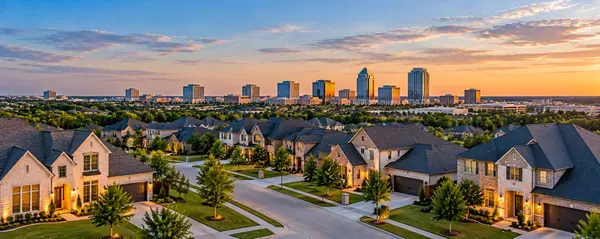
Pros and Cons of Living in Prosper
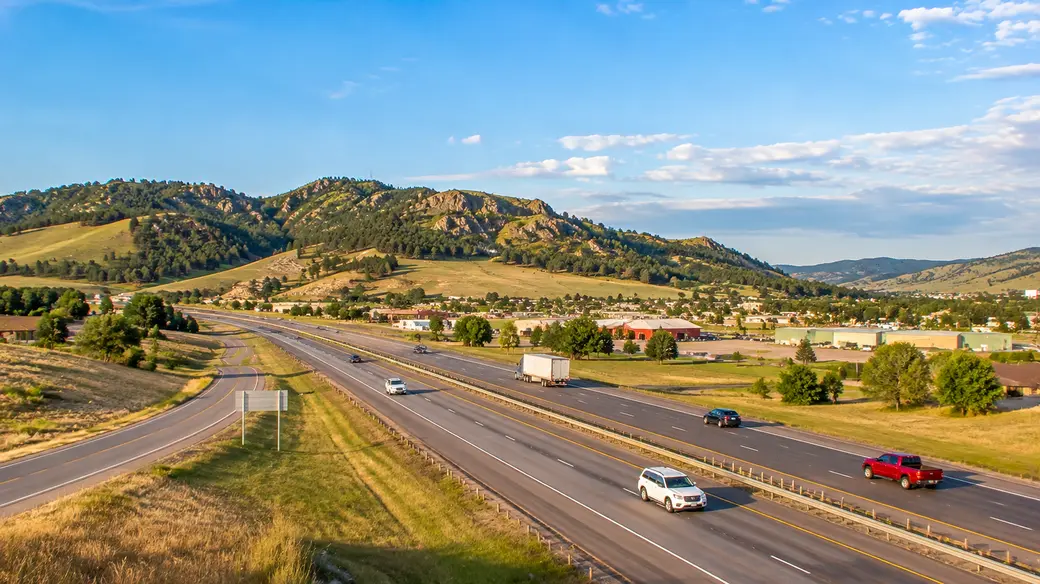
The pros and cons of living in Prosper center on space, an ownership-oriented suburban lifestyle, and strong recreation options, balanced against driving, heat, and a substantial household budget. The most useful question is not simply whether a home has enough square footage. It is whether Prosper's routines, costs, growth, and transportation needs fit the way your household lives.
Prosper by the Numbers
Prosper is a North Texas town shaped by newer housing, family-oriented amenities, regional growth, and daily driving. The figures below come from the Town of Prosper, closed MLS sales, and the U.S. Census Bureau.
| Measure | Figure | Source and period |
|---|---|---|
| Population | 49,355 | Town of Prosper, January 1, 2026 |
| Average valued home price | $866,650 | Town of Prosper, 2025 |
| Median single-family sale price | $840,525 | Closed MLS sales, January through September 2026 |
| Median household income | $177,244 | Town of Prosper, 2025 |
| Owner-occupied housing rate | 88.2% | U.S. Census Bureau, 2019-2023 estimate |
| Parks and trails | 634 acres of parks; 61 developed miles of hike-and-bike trails | Town of Prosper |
| Town property-tax rate | $0.505 per $100 of taxable value | Town of Prosper, FY 2026-2027 |
Population: At 49,355 residents as of January 1, 2026, Prosper is no longer a small-town setting in practical terms. New homes, schools, retail sites, parks, and road projects can all influence the feel of an individual neighborhood, so it is worth examining what surrounds a property as carefully as the property itself.
Home prices: Single-family homes closed at a median of $840,525 from January through September 2026, about 2.4% below the same period in 2025. Prosper is a move-up market, not a low-cost entry market, and buyers should budget beyond the purchase price. Financing, property taxes, insurance, utilities, lawn care, repairs, and neighborhood fees can materially change the monthly ownership picture.
Household income: The Town reports a 2025 median household income of $177,244. The local income profile helps explain demand for larger floor plans, home offices, upgraded finishes, outdoor living areas, and community amenities.
The Pros of Living in Prosper
Prosper's biggest advantages are room for move-up households, established recreation facilities, address-level school research, and a suburban setting built around homeownership.
More room for a move-up lifestyle
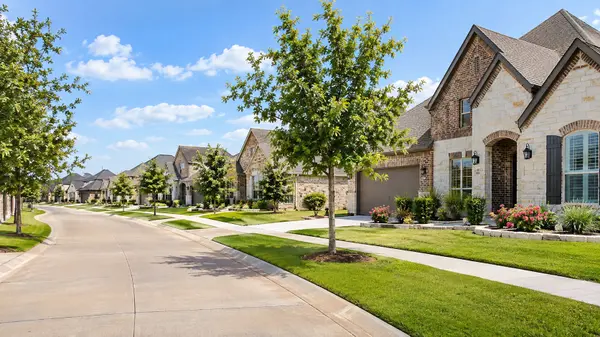
Prosper is a practical choice for households that need flexible living space. The local housing profile is oriented toward owner-occupied homes, and many buyers prioritize extra bedrooms, dedicated work areas, guest rooms, larger yards, and storage. That can make Prosper appealing for households upgrading from a smaller home or relocating with changing space needs.
Frontier Park and the parks system support active routines
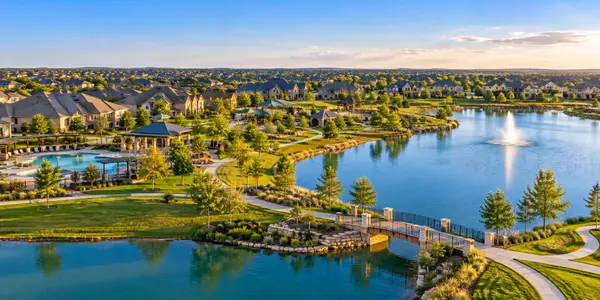
Prosper offers tangible recreation infrastructure. The Town lists 634 acres of parks and 61 developed miles of hike-and-bike trails. Frontier Park, at 1551 W. Frontier Parkway, covers 79.7 acres and includes athletic fields, a seasonal splash pad, Windmill Playground, a pond, and 1.70 miles of trail. For households with youth sports schedules or a preference for outdoor time close to home, those facilities can be a meaningful everyday advantage.
School assignments can be researched before choosing a home
Prosper gives families a clear reason to investigate school boundaries early in the home search. Individual campuses, including Cynthia A. Cockrell Elementary School, Lorene Rogers Middle School, Reynolds Middle School, and Prosper High School, serve different grade levels within the local area, and new middle school attendance zones took effect for the 2026-27 school year. Families can verify an address through Prosper ISD attendance boundaries before making a location decision.
Ownership is central to the local housing pattern
About 88% of occupied homes in Prosper are owner-occupied, according to Census estimates. That helps shape neighborhood expectations around property upkeep, community rules, and long-term planning. Buyers can use that context when comparing homes with different association structures, amenity packages, lot sizes, and nearby development activity.
A calmer market gives buyers more choice
Prosper's continued development gives buyers options across established neighborhoods and newer construction areas. The resale market has also shifted toward buyers: on September 30, 2026, Prosper had about 6.5 months of single-family supply, and homes sold in a median of 53 days so far in 2026. That gives move-up and relocation buyers more time to compare homes and negotiate. It also makes due diligence important, especially around vacant land, planned road improvements, commercial projects, and construction access near a prospective home.
The Cons of Living in Prosper
Prosper's main drawbacks are driving dependence, a significant ownership budget, demanding summer weather, and the disruption that can accompany fast growth.
Most daily errands require a vehicle
Prosper is best suited to households comfortable driving for work, shopping, dining, schools, and activities. Many neighborhoods do not support a dense walk-to-everything routine, and regional travel can become a regular part of life. Buyers should test routes to work, grocery stores, schools, and recurring activities during realistic traffic periods.
The total ownership budget can be high
Prosper requires a serious long-term budget because the home price is only one part of the cost. The Town's FY 2026-27 rate of $0.505 per $100 stayed flat, but the Town estimates the average homestead's Town tax bill will rise to about $3,633 because taxable values increased. Prosper ISD's FY 2026-27 rate is $1.2011 per $100, and county and other rates are added on top. Insurance, maintenance, lawn care, utilities, and possible association fees should be evaluated alongside a monthly loan payment.
A mortgage calculator can help households compare different price points before they narrow their search.
Summer heat affects routines and costs
North Texas summer heat is a real lifestyle consideration in Prosper. Outdoor plans often need to move to earlier or later parts of the day, while air-conditioning use, lawn care, and vehicle comfort become regular budget and scheduling factors. Severe-weather preparedness is also part of responsible ownership in the region.
Growth can change a neighborhood quickly
New construction can bring future services and amenities, but it can also mean road work, truck traffic, changing views, and evolving commercial corridors. A quiet street today may sit near land planned for future development. Buyers should ask about nearby projects and visit the area more than once before committing.
Selling can take longer than it used to
For current owners, the cooler market cuts the other way. Higher supply and longer days on market mean pricing and preparation matter more when you sell. A realistic estimate of your home's value based on recent closed sales is a better starting point than older peak prices.
Prosper Compared With Nearby Cities
Prosper generally has a higher-budget, space-oriented profile than nearby established suburbs and northern growth communities.
| Factor | Prosper | Frisco | Celina |
|---|---|---|---|
| Home budget | Move-up pricing is common | Neighborhood and housing age create a broad range | Newer construction and development stage can shape pricing |
| Cost pattern | Vehicle use and ownership costs deserve close attention | Location can place more services near established neighborhoods | Driving needs can have a larger household impact |
| Daily transportation | Primarily vehicle-based | Some districts offer closer access to retail and services | Primarily vehicle-based |
| School research | Address-level assignment review is important | Boundaries and campus options vary by address | New campuses and boundary changes may accompany growth |
| Neighborhood change | Development can affect roads and surroundings | Mature and developing areas can feel very different | Construction activity may be more visible in growth areas |
Who Prosper Is a Great Fit For
Prosper is a strong fit for buyers who value usable space, suburban recreation, and an ownership-focused lifestyle over dense urban convenience.
Move-up households needing flexible rooms. Buyers upgrading from a smaller home can benefit from layouts that support bedrooms, work-from-home space, guests, storage, and larger yards. Prosper is especially practical when those needs matter more than being able to walk to daily errands. If you are weighing timing, this breakdown of moving up now versus waiting walks through the math.
Relocation buyers with flexible work arrangements. Relocators with hybrid, remote, or flexible schedules can prioritize home space and neighborhood features without structuring every decision around a daily office commute. A step-by-step buyer's plan can help organize budget, location, and property priorities before a move.
Families researching specific school assignments. Families who want to compare individual campuses can use Prosper's address-based school assignment process as part of their home search. Verifying a property before submitting an offer is more reliable than assuming a neighborhood name determines a school path.
Households that use parks and organized activities. People who expect to use trails, playgrounds, athletic fields, and community recreation can get tangible value from Prosper's park facilities. Frontier Park is particularly relevant for households that want youth sports and casual outdoor space nearby.
Who Might Want to Look Elsewhere
Prosper is a poor fit for buyers who need dense walkability, frequent public transit, or an urban nightlife routine close to home.
People who want to walk daily to offices, restaurants, coffee shops, cultural venues, and entertainment may prefer a compact mixed-use environment. Prosper has retail and dining options, but most residential areas do not provide a downtown-style routine.
Buyers with a strict daily commute to a distant job hub should map routes from individual neighborhoods before choosing a home. More square footage may not offset a drive that becomes frustrating five days a week.
Households that strongly prefer mild summers may also find North Texas challenging. Heat, air-conditioning needs, and weather readiness are regular parts of life here.
| Summary | Takeaway |
|---|---|
| Biggest pro | Prosper offers the space, parks, and ownership-oriented setting that many move-up households want. |
| Biggest con | Daily life is largely car-dependent, and the complete cost of ownership can be substantial. |
| Best fit for | Relocation and move-up buyers who value flexible home layouts and suburban recreation. |
| Market note | With about 6.5 months of supply, buyers have more room to compare and negotiate, while sellers need sharp pricing. |
Cost of Living in Prosper: What to Budget For
Prosper's budget picture is driven most by housing choices and transportation needs. Even when grocery and utility costs feel manageable, a larger home creates meaningful financing, insurance, tax, maintenance, and yard-care obligations.
For buyers, the first step is to calculate a realistic monthly payment that includes a down payment, loan terms, taxes, insurance, and property-specific fees. With Freddie Mac's 30-year fixed rate averaging 7.40% as of October 15, 2026, financing is a large share of that total. A home's asking price does not show the whole commitment. Households should also leave room for repairs, furnishings, seasonal maintenance, and possible association charges.
Transportation deserves equal attention. Most households rely on personal vehicles for work, school, shopping, recreation, and regional travel. Fuel, tolls, insurance, maintenance, and the possibility of maintaining multiple vehicles can add up quickly.
Summer air-conditioning demand can affect monthly utility bills. Grocery spending can be managed through nearby everyday retail options, while childcare costs should be considered alongside work schedules, school transportation, and activity travel.
Frequently Asked Questions About Living in Prosper
Is Prosper a good place to live?
Prosper can be a good place to live for households seeking larger homes, parks, and a suburban ownership lifestyle. The Town lists 634 acres of parks and 61 miles of developed trails, and Frontier Park, local school-assignment research options, and flexible home layouts support that appeal. It is less suitable for people who want a transit-centered or highly walkable daily routine.
What are the biggest downsides of living in Prosper?
The clearest trade-offs are driving dependence, a substantial ownership budget, summer heat, and construction tied to growth. Buyers should test commute routes, review nearby development, and estimate full monthly costs before selecting a neighborhood.
Is Prosper affordable compared to nearby areas?
Prosper is generally better viewed as a move-up suburban market than a low-cost alternative, with single-family homes closing at a median of $840,525 in 2026 through September. Affordability depends on the individual home, financing structure, taxes, insurance, maintenance needs, and transportation routine. Nearby communities may offer different trade-offs in housing age, location, and access to services.
What is the job market like in Prosper?
Prosper works well for households whose employment is flexible, hybrid, remote, or compatible with regional commuting. Residents have access to a broader North Texas employment area, but the best location depends on the drive required by a household's work schedule. Buyers should evaluate commuting patterns from specific neighborhoods rather than relying on a townwide assumption.
Is Prosper safe?
Safety is best evaluated at the property level. Buyers should visit prospective streets at different times, observe traffic and lighting, consider nearby land uses, and review current information from the Prosper Police Department for the area they are considering.
Ready to See If Prosper Is the Right Move?
Living in Prosper can be rewarding for buyers who want space and suburban amenities, but the budget, commute, and growth trade-offs should be clear before moving forward. Home Expert Team, a Frisco-based real estate team led by Robyn Heathcock, helps move-up buyers, relocating families, and sellers compare Prosper homes against their practical priorities, from total monthly cost to school assignment and nearby development. You can also browse Prosper homes and communities to get a feel for the area.
Call or text (972) 837-0651, email admin@thehomeexpertteam.com, or reach out through the contact page for an honest conversation about your options.
Recent Posts